The Police (1959)
a man vanished... a city holds its breath
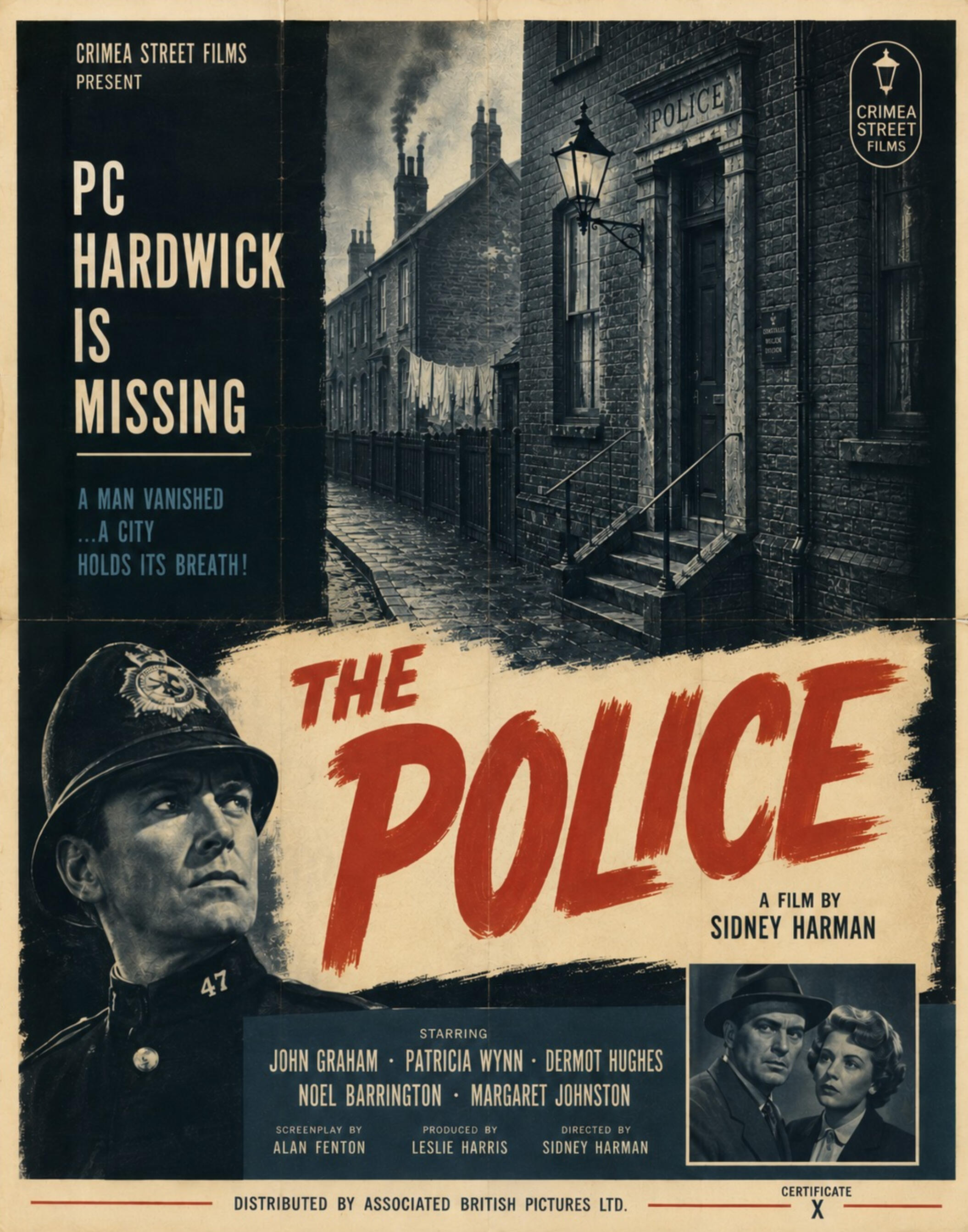
Released in 1959, The Police represented one of Crimea Street Films' more accessible productions. While many of the studio's earlier pictures concerned themselves with work, routine and place, this film introduced a central mystery without abandoning the quiet realism that had become the company's hallmark.The story follows the unexplained disappearance of Police Constable Arthur Hardwick, a familiar figure within the community he serves. When Hardwick fails to report for duty, concern gradually spreads through the streets, shops and public houses of the town. As officers attempt to establish his whereabouts, the investigation uncovers fragments of ordinary lives, private loyalties and long-held resentments.Although advertised as a mystery, contemporary audiences soon discovered that The Police was less interested in solving a disappearance than examining the effect it had upon those left behind. As was often the case with Crimea Street Films, the people proved more important than the plot.
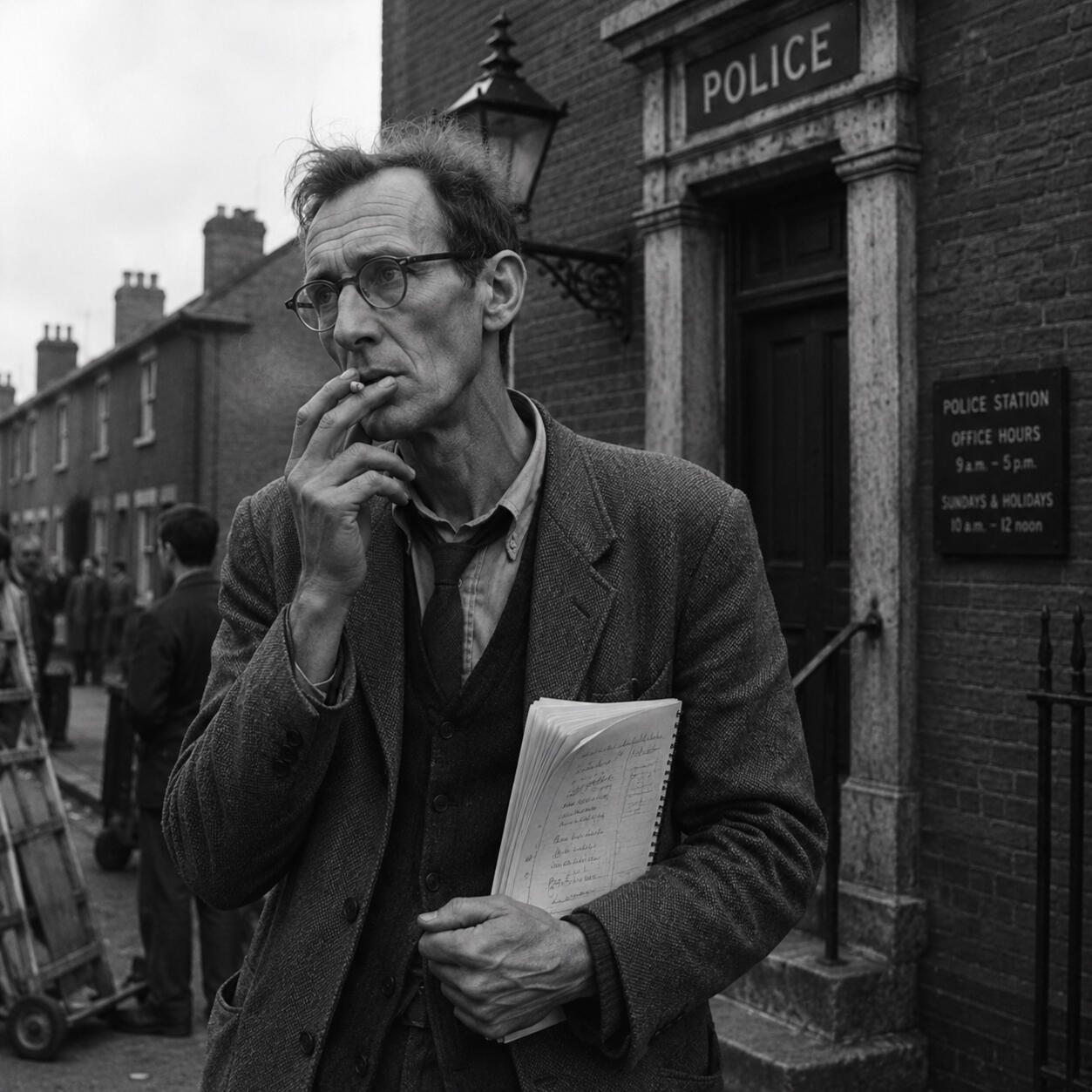
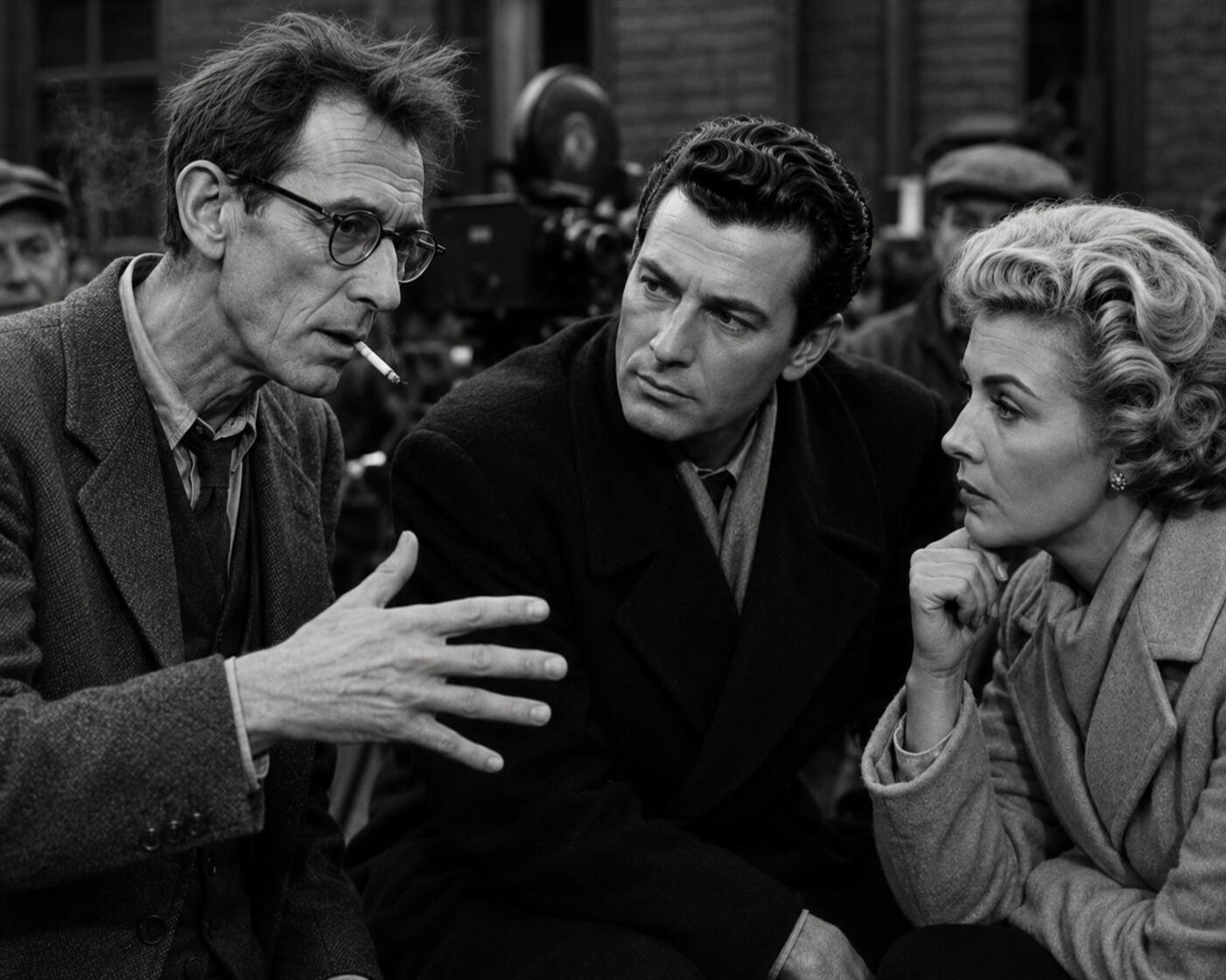
One of the best-known surviving photographs connected with The Police shows director Sidney Harman standing outside the station entrance during location preparations in the spring of 1959.According to production assistant Geoffrey Mears, Harman spent much of the afternoon watching residents pass the building before remarking, "Everybody notices it. Nobody looks at it."What survives in abundance is the impression that the station was intended to serve as more than a backdrop. Throughout the film it becomes a symbol of certainty in a story increasingly concerned with doubt.
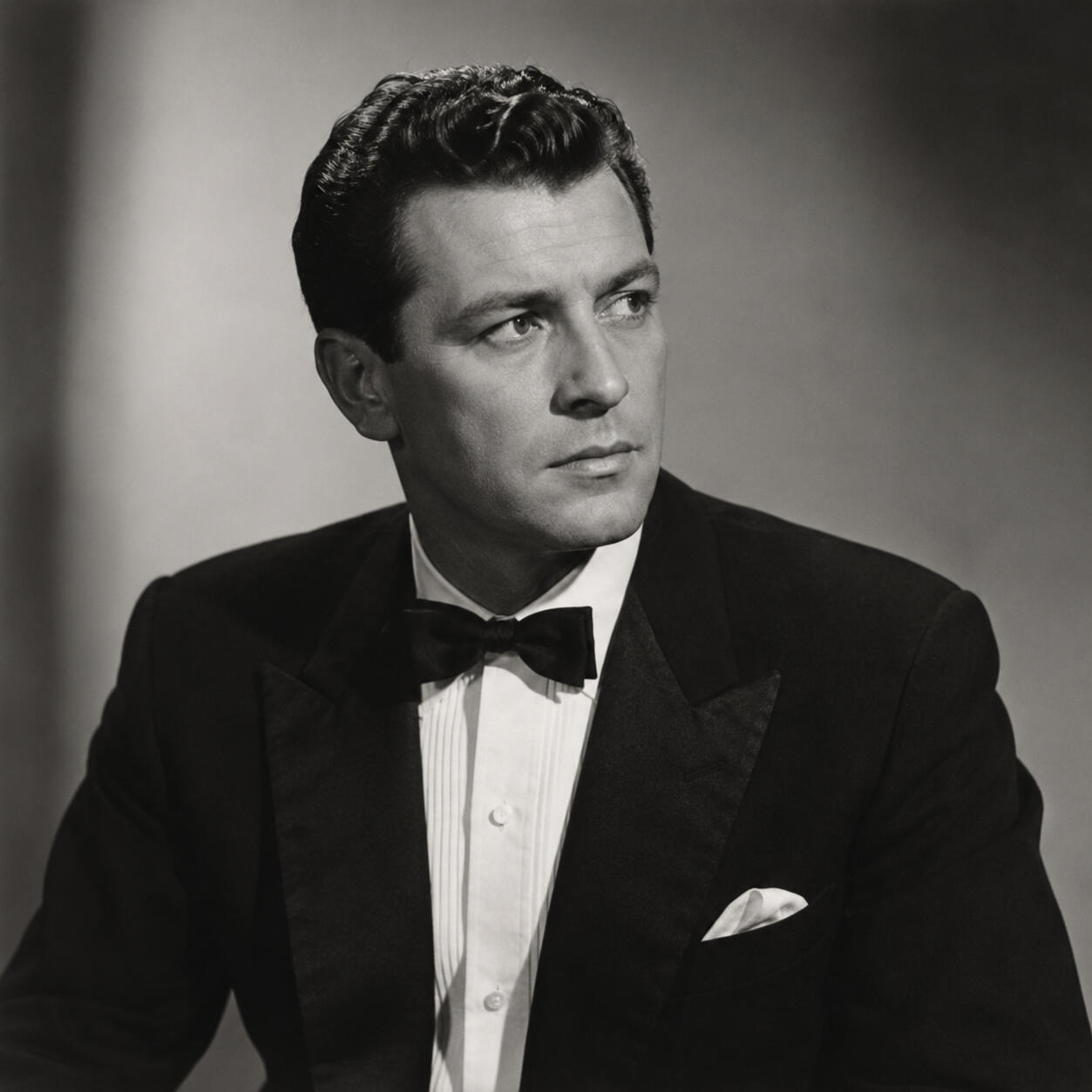
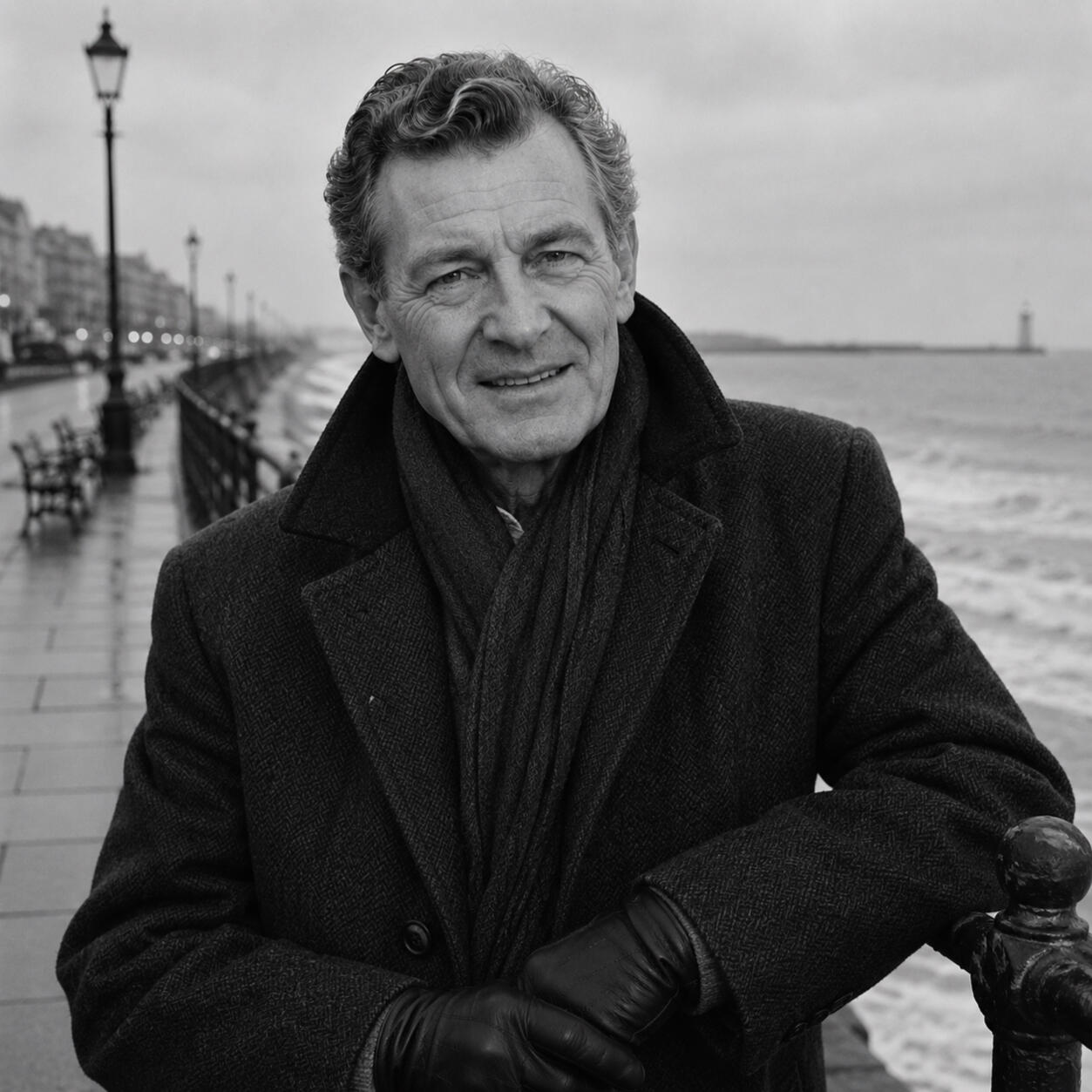
John Graham (1924-1997)John Graham was born in Leeds in 1924 and spent much of his early working life employed in engineering before turning his attention to amateur dramatics.Following military service, he appeared with several repertory companies across Yorkshire and Lancashire, developing a reputation as a dependable performer capable of bringing credibility to ordinary characters.He first attracted Dunmore’s attention through a series of supporting roles in regional theatre productions before being cast as Police Constable Arthur Hardwick in The Police.Graham's performance was generally praised upon release. Critics noted his ability to create a character who remained central to the story despite being absent from much of it.One reviewer observed that Graham managed to leave "a presence behind him in every room he exits."Away from the screen, Graham was known as a private and unassuming individual with little interest in celebrity.Colleagues recalled a man who arrived early, learned his lines thoroughly and rarely discussed his own work.Following the closure of Crimea Street Films, Graham continued acting in theatre and occasional television productions before gradually retiring from the profession during the late 1970s.
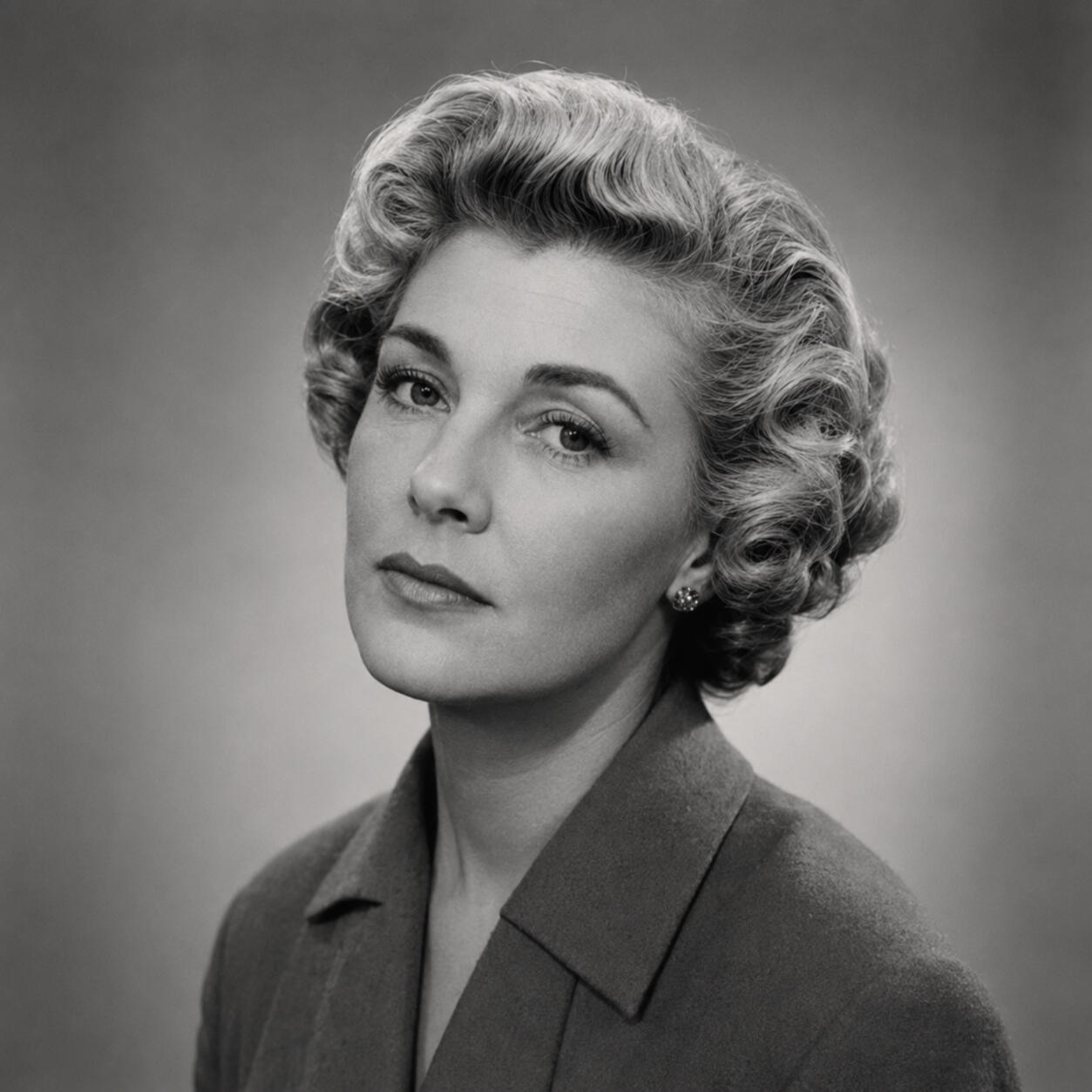
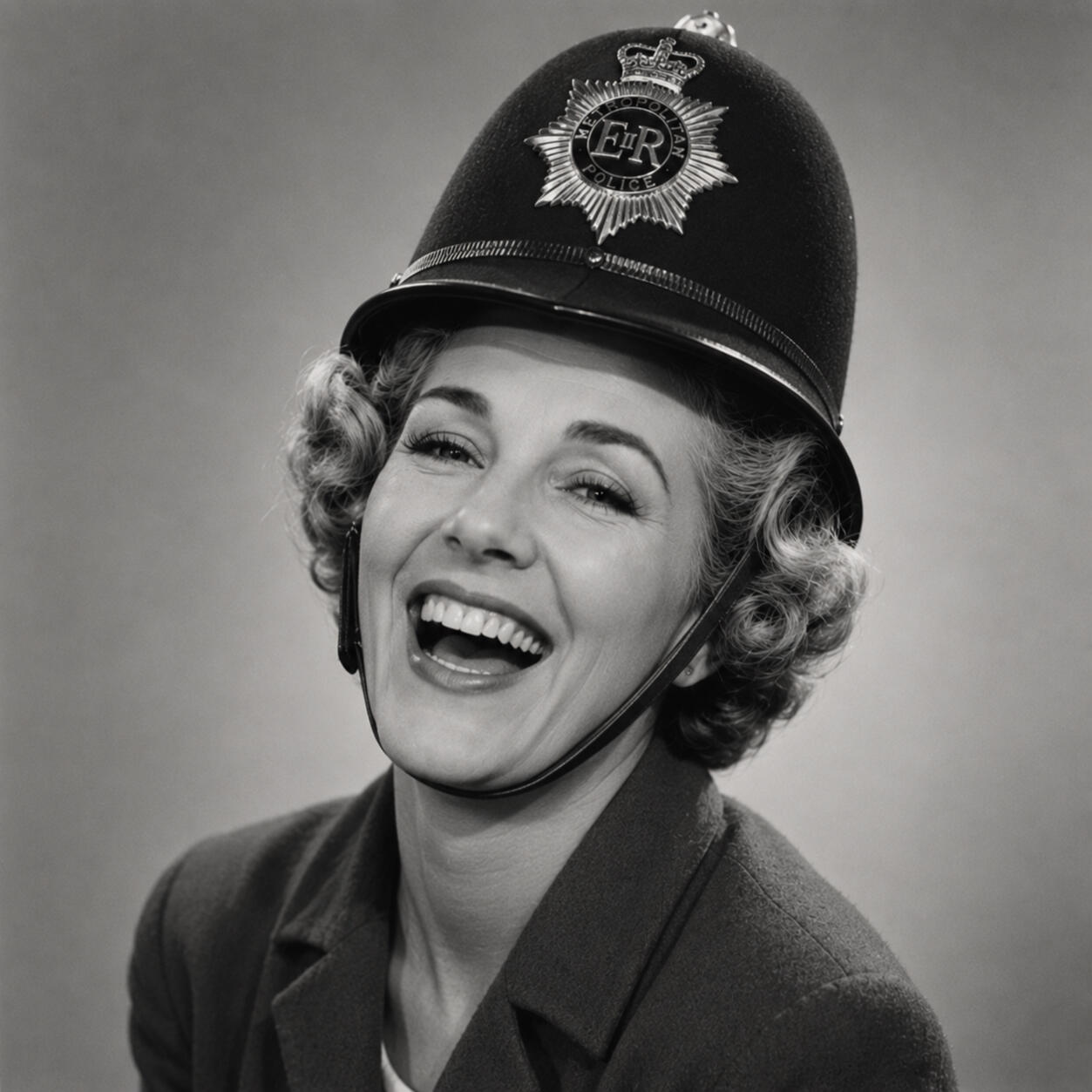
Patricia Wynn (1931-2008)Born in Stockport in 1931, Patricia began her acting career with local dramatic societies before securing a scholarship place at the Northern Theatre School.Her role in The Police brought her some of the strongest reviews of her career. Playing Ellen Shaw, one of the last people known to have spoken with Arthur Hardwick, Wynn delivered a restrained performance that several critics regarded as the emotional centre of the film.Unlike many contemporary actresses, Wynn avoided more glamorous roles, preferring characters rooted in recognisable everyday lives.This quality made her a natural fit for the productions of Crimea Street Films.Former colleagues remembered her sharp wit and habit of carrying detective novels to every filming location, leading some crew members to joke that she spent more time solving mysteries than the script itself.Although she continued acting for many years after The Police, she remained most closely associated with her work for the Salford studio.
What about the critics?Upon release, The Police received a relatively positive reception from critics.The Manchester Evening Chronicle observed:"An absorbing picture that understands mystery begins with people rather than clues."Picturegoer was more reserved:"The disappearance intrigues throughout, although the film occasionally appears as reluctant to hurry as its missing constable."Kinematograph Weekly praised the performances, noting:"John Graham and Patricia Wynn bring conviction to material that might easily have become melodrama in less capable hands."Commercially, the picture performed modestly. While never regarded as one of the studio's standout productions, it earned a reputation as one of its most carefully constructed pictures.
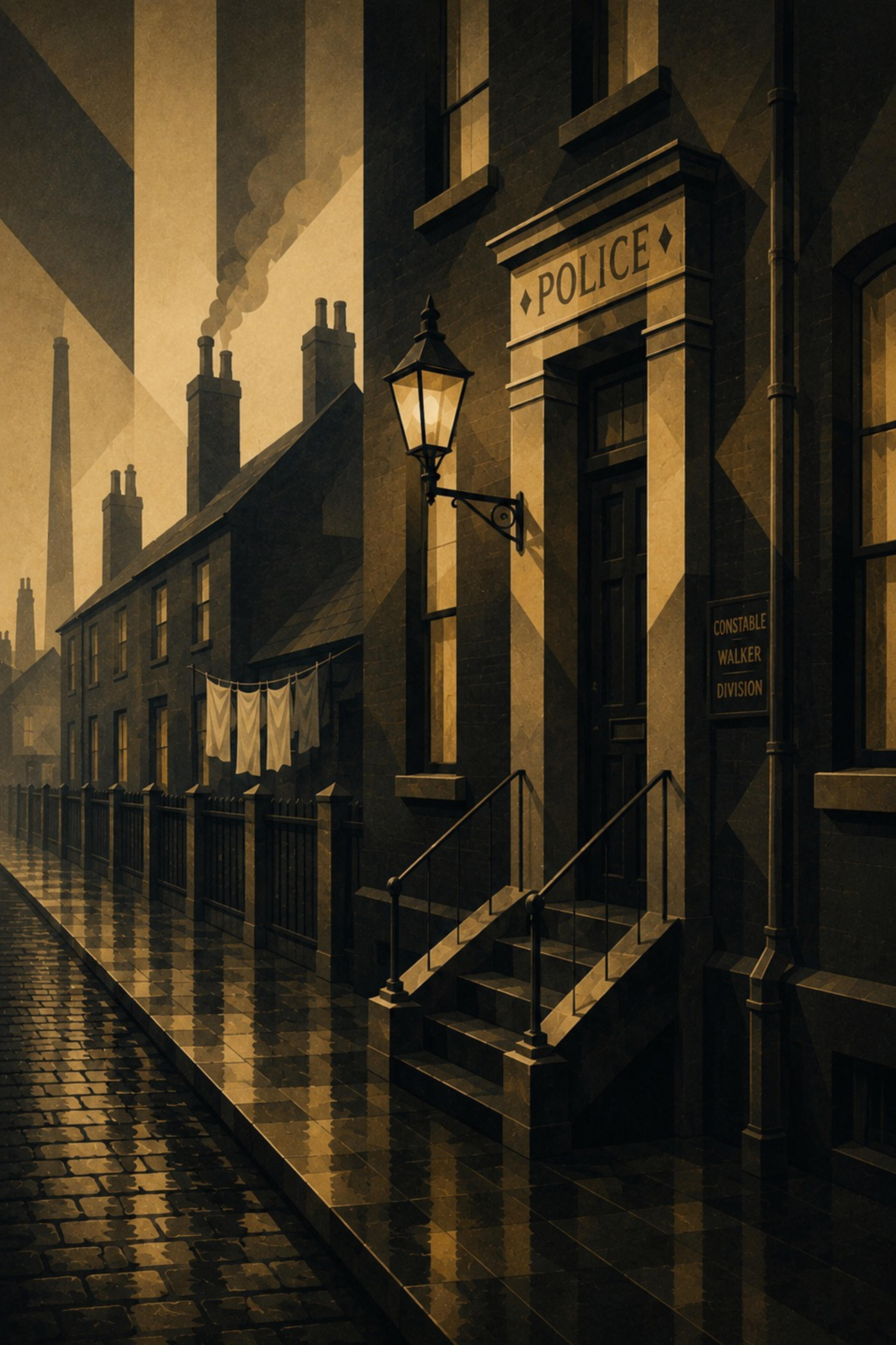
Olive James: The PoliceThe visual language of The Police has continued to inspire artists long after the film's original release.Among the most celebrated interpretations is Olive James's striking reimagining of the station and surrounding streets, reducing brickwork, shadow and industrial architecture to bold geometric forms.James later remarked that she was drawn to the contrast between permanence and uncertainty.While the film concerns a missing man, its landscapes remain fixed and immovable, silently observing the events unfolding around them.The resulting work preserves the atmosphere of the original production while transforming it into something entirely contemporary.
From the ArchiveDuring filming, local children reportedly gathered outside the station hoping to catch a glimpse of the cast. Several were employed as unofficial lookouts, warning the crew whenever curious residents wandered into shot.One surviving production ledger contains a brief entry simply reading:"Replacement helmet and whistle - 8s 9d."Another account records that residents became so accustomed to seeing John Graham in uniform that several continued greeting him as "Constable" long after filming had concluded.